
How do I explain music therapy to my child?
Explaining what therapy is and what happens in therapy can be very hard to articulate. Sometimes even as a therapist I find explaining how change occurs in people over the course of the therapeutic journey can be nearly impossible to put into words. So, if you have a child that is starting music therapy, how on earth do you explain to them what music therapy is and why they might need it in a way that they will understand? In this blog, I will talk through 5 key points that are worth thinking about before embarking on the explainer conversation with your child.
What is your own understanding of music therapy?
I think one of the most important things to do before trying to explain music therapy to your child is be clear in your mind about what music therapy is and why it might be beneficial for your child. When having this conversation, your child might have questions and so being confident in your own knowledge and understanding about what music therapy is can help conversations run more smoothly.
There is a lot of information out there about music therapy, the different types, the different client groups, and the different ways of approaching the work. If you are unsure about any of these then don’t be afraid of asking the therapist your child is working with. They will be more than happy to help answer any and all of your questions about what music therapy might look like with your child specifically, and will help you tailor your explanation of music therapy to your child’s needs and level of understanding.
Avoid value-based judgements
When explaining therapy to a child it can be easy to use phrases such as “it will help you feel better” or “it will improve how you talk to people”. Both of these phrases while potentially true can inadvertently place value judgements on the child’s current abilities and emotional states. Words such as “better”, “worse”, “good”, “improved” can make children feel like therapy is some of kind of punishment for not being good enough, or that there is something wrong with them neither or which are good mindsets to be starting therapy in. Instead, I find it can be useful to use phrases such as “therapy can support you with…”, or “you can talk to the therapist about things that upset you such as …”. This removes the element of “good and bad” and focuses on how therapy can support the child with things they find difficult and avoids inadvertently labelling the child as the thing that is difficult.
Alongside this, I have often heard parents describe music therapy as “fun sessions” or “you’re going to music because you’ll enjoy it”. While children may very well enjoy the activities they get to do music therapy, the underlying goals of music therapy are often more complex and based around things that the child needs support with this. Given this, music therapy may not always be ‘fun’ but that doesn’t mean it isn’t being effective. Music therapy may focus on social interaction, emotional expression, or emotional regulation which for some children is really challenging and not their idea of fun at all! It can be tempting as a parent/ carer to sell something as fun or enjoyable to get children more on board with the idea, but it can set unrealistic expectations. I often find phrases such as “I think you’ll get on with the therapist” or “it’s a chance to play with someone new” more suitable phrases that don’t set up expectations about whether something will be fun or not.
Give real life examples
When talking about therapy, ideas can quickly become confusing. The conscious, the unconscious, projection, symbolism, they’re just some of the very abstract ideas that surround therapy, and how on earth is a child meant to understand these things?
To combat this, I find it effective to use real life examples that your child can relate to, and that link directly to the reasons your child is starting therapy. Again, the therapist you are working with will have explained what music therapy is to young children of varying ages and abilities hundreds of times and will be happy to offer further advice, but I have listed some useful phrases that can be adapted to your child’s needs below.
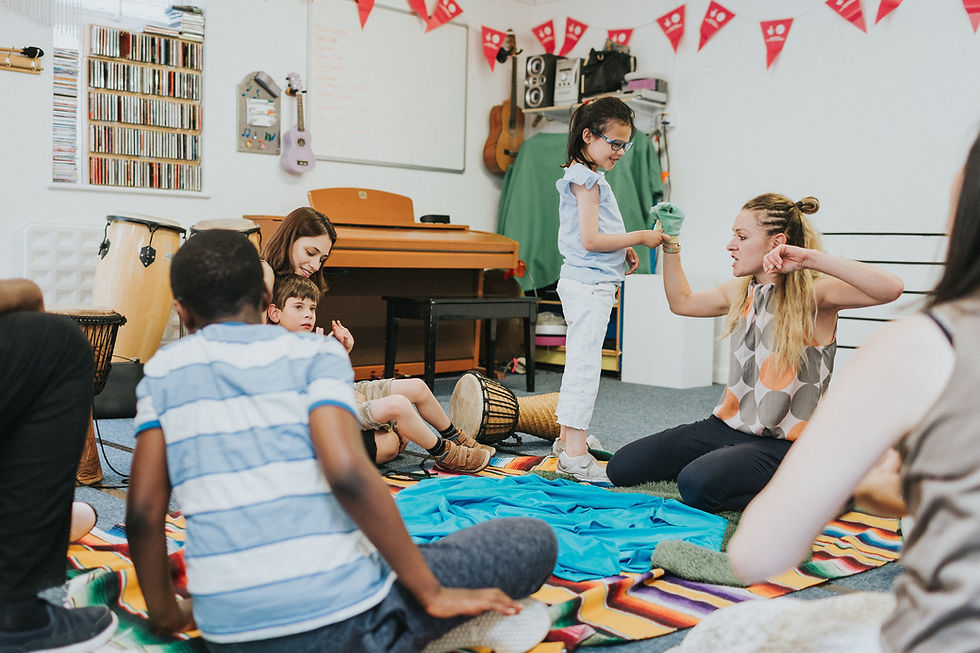
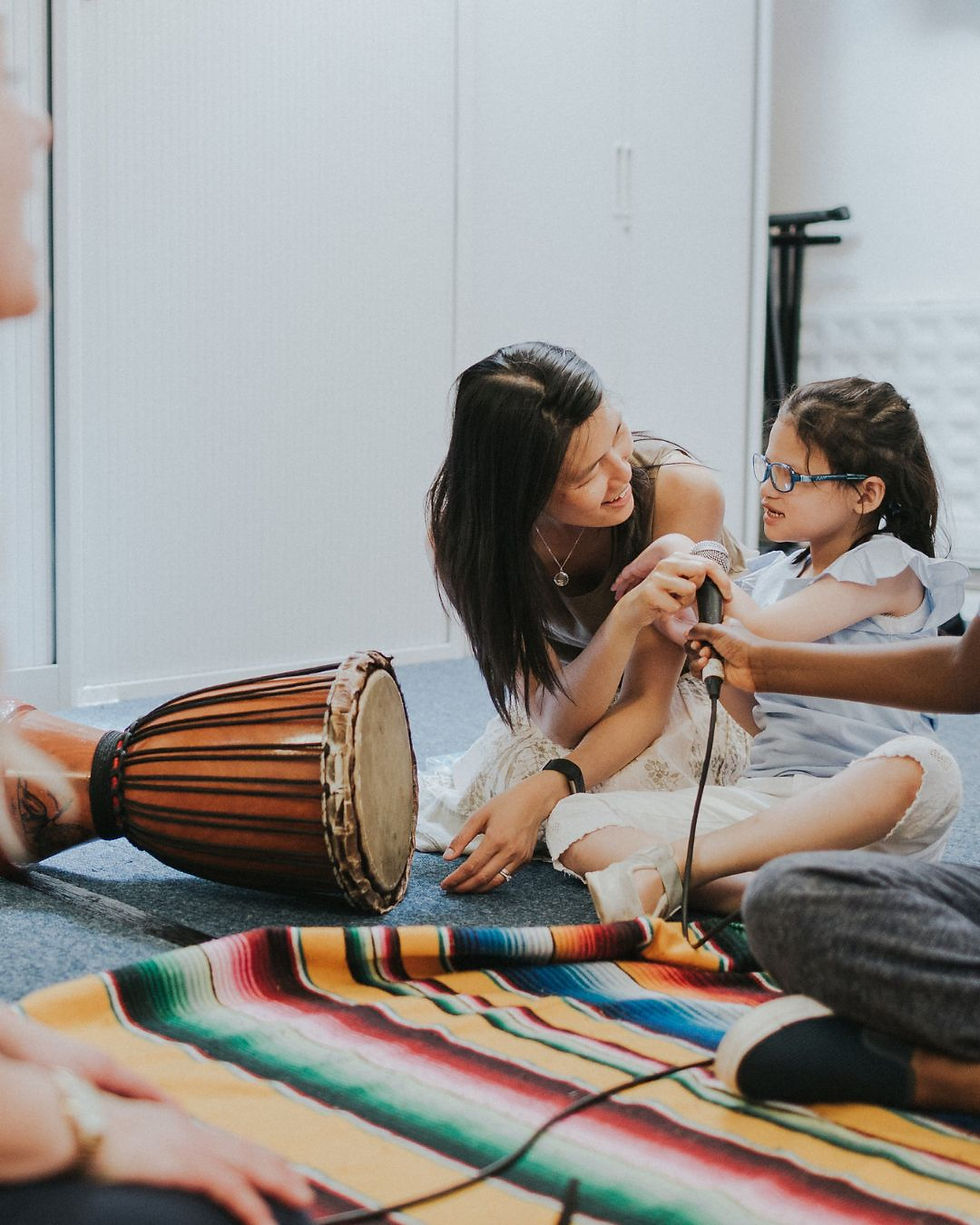
“You and the therapist will play instruments together and then maybe talk about it after. You might want to tell the therapist what you were thinking or feeling during the music”
“Everyone has difficult feelings such as anger or sadness, and playing music can be a good way to let those emotions out the body. The therapist might also talk to you about things that cause you to have these more difficult feelings”
“Music therapy might be a good chance for you to play with other people and give you the chance to work out what makes interacting with people easier and more comfortable for you”
“We’ve noticed that you don’t always like using your voice or words, so music therapy might be a place where you can practice using your voice through singing so you can feel really confident when you communicate”
Ultimately being as open and honest as you can be with your child will ensure they have all the information they want before entering the therapy room. Therapy can be a scary and overwhelming thing to embark on for anyone, but creating an open environment where children feel able to be curious and honest about their experiences is crucial for giving them reassurance and support throughout the process.
At Music House Education, we provide a rounded experience that not only supports the child throughout their therapeutic journey but further offers advice and guidance for the parents/ carers of those children. Our music therapist is on hand to answer your questions and listen to your concerns and will meet you with regularly throughout your child’s therapy. If you would like to know more about our music therapy provision or find music therapy a little closer to you, please contact our in-house music therapist on the email below and they will be
happy to offer advice, support, and further information.
® Martha Raban
Music House Education 2025

Comments