
The case for integrating vocational learning into arts education
More often than not, learning feels like it takes place in a hermetic shell, cut off from reality. This is a problem - especially for arts education, which can often feel diametrically opposed to the realities of finding work in the arts, or even understanding what those opportunities look like.
When I first moved to London to begin what became a rewarding career in sound design and music production, I had no prior awareness that this was even a viable path. As a postgraduate music student, I felt woefully underprepared when it came to navigating career options or understanding how to leverage years of study into meaningful work.
That disconnect is exactly where vocational learning becomes essential.
What do we mean by vocational learning?
At its core, vocational learning is about practical relevance. It’s about ensuring that education is grounded in real-world context - developing tangible skills, building awareness of career pathways, and equipping students with the tools they need to navigate an industry, whilst not replacing creativity with utility. The best vocational learning environments do both - championing individual creative voices while embedding it within real-world frameworks.
Bridging the gap: from classroom to industry
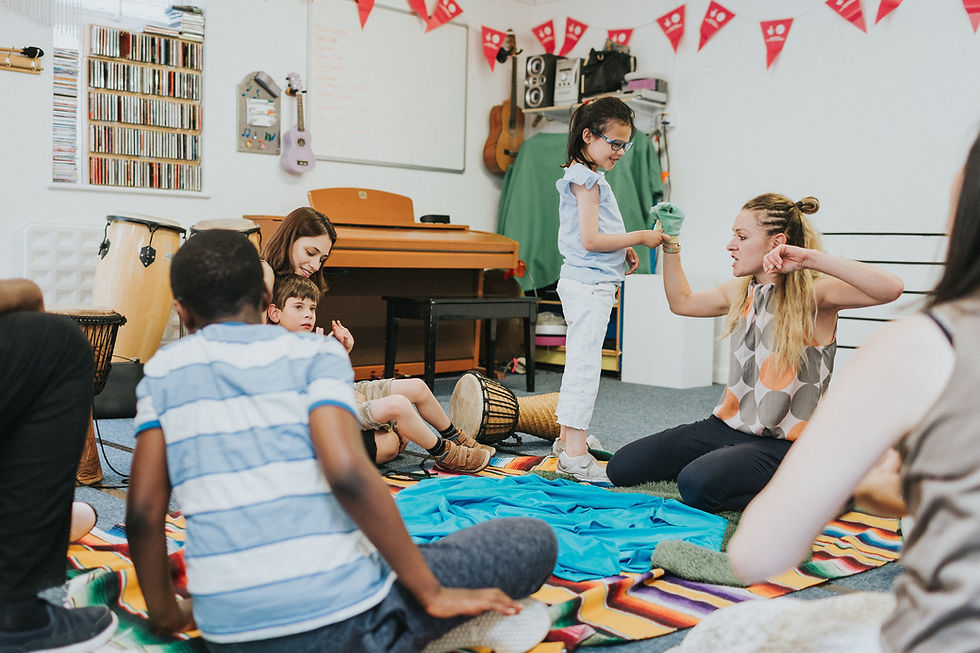
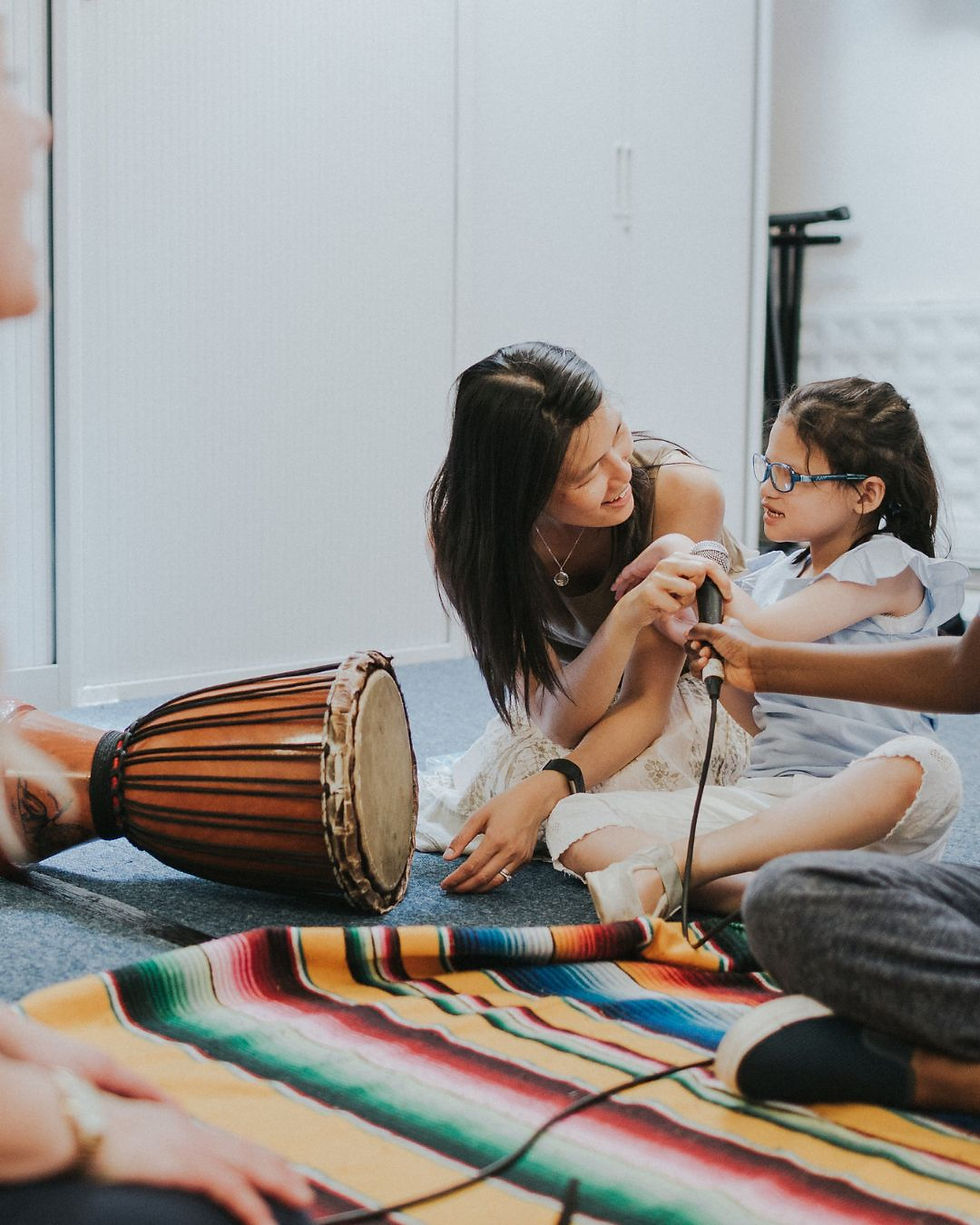
This philosophy sits at the heart of what we do at Music House. Through our young people’s programmes, we aim to bridge the persistent gap between education and industry by creating opportunities that are immersive, collaborative, and rooted in lived professional experience.
Our approach to vocational learning is embedded across a range of immersive, industry-facing experiences that give young people a genuine foothold in the world of music. From collaborative creative projects that blend music, physical theatre and digital production, to hands-on workshop series delivered with industry professionals, students are supported in developing practical skills while building confidence in their creative identity and understanding how it can translate into real career pathways.
Through partnerships with grassroots venues such as Bush Hall and Next Door Records, participants are placed directly into live environments where they don’t just learn about the industry—they actively participate in it, gaining experience across the full ecosystem of live events, from sound and lighting to operations and audience-facing roles. For those looking to deepen this engagement, longer-term programmes offer the opportunity to plan, promote and deliver live events from the ground up, developing essential employability skills such as project management, communication, collaboration and problem-solving in high-pressure, real-world contexts.
The impact: real pathways, real outcomes
The results of this approach speak for themselves. We’ve seen students progress into meaningful roles within the live music industry.
What makes this possible is exposure and contextualised learning. When young people understand how their skills translate into real-world applications, their engagement deepens, their confidence grows, and their ambitions expand.
Rethinking arts education
If arts education is to remain relevant, it must evolve. It cannot exist solely as an abstract, academic pursuit detached from industry realities. Nor should it sacrifice creativity in favour of rigid vocational pipelines.
You can

Comments